Hear the Seasons Breathe Across National Parks

Step into a world where time is measured in birdsong, melting snow, and distant thunder. Today we explore Seasonal Soundscapes of National Parks, inviting you to listen closely as spring choruses awaken valleys, summer storms drum over ridgelines, autumn migrations carve the sky, and winter hush restores delicate balance. Along the way, you’ll gather listening tips, real field anecdotes, and mindful practices that deepen every hike. Share your favorite park sounds, subscribe for fresh acoustic journeys, and join a community tuned to the living rhythms of protected wild places.

Spring: Chorus of Renewal

Water Unlocked: Snowmelt and Falling Rivers

When winter loosens its grip, rivers speak in rising tones. Yosemite Valley’s falls boom from mist to roar, Zion slot canyons gurgle with sudden life, and Olympic’s mossy forests drip like soft percussion. Find a safe overlook, close your eyes, and follow the rhythm from trickle to torrent. Note how boulders thrum beneath the current, and record short clips to compare morning clarity with afternoon power without intruding on fragile streamside plants.

Bird Dawn Choruses That Reset Your Pace

When winter loosens its grip, rivers speak in rising tones. Yosemite Valley’s falls boom from mist to roar, Zion slot canyons gurgle with sudden life, and Olympic’s mossy forests drip like soft percussion. Find a safe overlook, close your eyes, and follow the rhythm from trickle to torrent. Note how boulders thrum beneath the current, and record short clips to compare morning clarity with afternoon power without intruding on fragile streamside plants.

Frogs, Insects, and the First Night Songs

When winter loosens its grip, rivers speak in rising tones. Yosemite Valley’s falls boom from mist to roar, Zion slot canyons gurgle with sudden life, and Olympic’s mossy forests drip like soft percussion. Find a safe overlook, close your eyes, and follow the rhythm from trickle to torrent. Note how boulders thrum beneath the current, and record short clips to compare morning clarity with afternoon power without intruding on fragile streamside plants.

Summer: Heat, Thunder, and Nightlife

Long days stretch sound into layered tapestries. Thunderheads stack over mesas in Saguaro and Canyonlands, crickets count degrees by rhythm in eastern forests, and coastal parks like Olympic trade afternoon breezes for surf that pounds patient patterns. Night brings bats, owls, and teeming insect choirs that soften campground chatter. Learn to shelter microphones from wind, wait between storm cells, and lean into darkness without fear. Tell us your most memorable summer storm or night chorus, and compare safety tips and joyful awe.

Autumn: Ruts, Migrations, and Crisp Air

Elk Bugling: Voices of the Rut

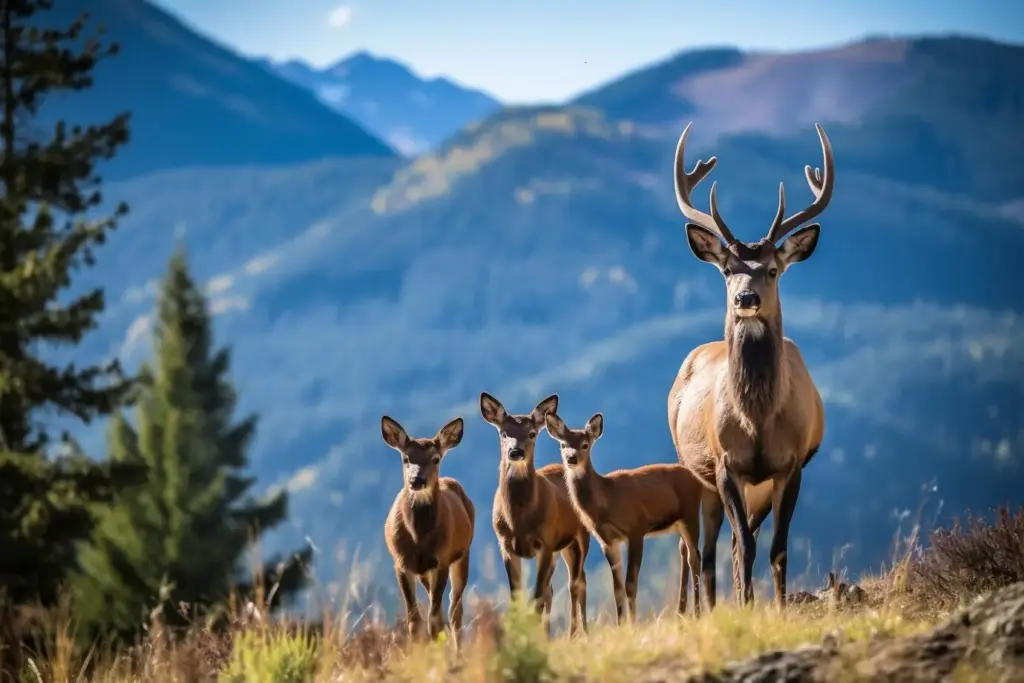
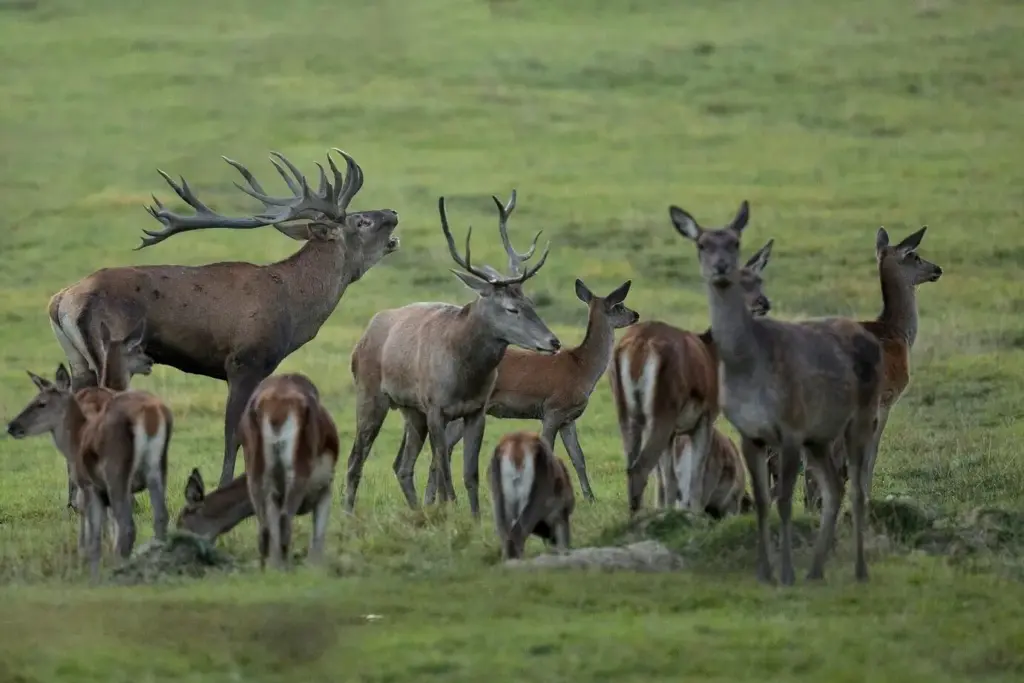
Stand at meadow edges before sunrise or near twilight, and listen as bulls thread flutes, growls, and harmonics into one breath. The call can carry astonishing distances in cold air. Give all wildlife abundant space—at least 25 yards, much more during rut—and never approach. Use binoculars, not playback. Record from cover, keep vehicles quiet, and jot wind direction. Then tell others how respect sharpened your hearing and eased stress for animals and people.

Wings on the Move: Sky High Corridors

Stand at meadow edges before sunrise or near twilight, and listen as bulls thread flutes, growls, and harmonics into one breath. The call can carry astonishing distances in cold air. Give all wildlife abundant space—at least 25 yards, much more during rut—and never approach. Use binoculars, not playback. Record from cover, keep vehicles quiet, and jot wind direction. Then tell others how respect sharpened your hearing and eased stress for animals and people.

The Art of Quiet Steps

Stand at meadow edges before sunrise or near twilight, and listen as bulls thread flutes, growls, and harmonics into one breath. The call can carry astonishing distances in cold air. Give all wildlife abundant space—at least 25 yards, much more during rut—and never approach. Use binoculars, not playback. Record from cover, keep vehicles quiet, and jot wind direction. Then tell others how respect sharpened your hearing and eased stress for animals and people.

Winter: Silence, Wind, and Subtle Echoes

Snow and cold pare sound to essentials. In Bryce Canyon, fresh powder hushes trails until a raven’s wingbeat cracks the stillness. In Yellowstone, distant wolves and geysers alternate breaths; in Denali, the quiet itself becomes a presence with texture. Ice booms migrate across frozen lakes like underwater thunder, while wind sketches ridgelines in shifting tones. Dress to minimize fabric rustle, warm your batteries, and welcome slowness. Share how winter invites humility and sharp, tender attention.

How to Listen and Record Responsibly

Protecting experiences protects places. The National Park Service manages acoustic resources through research and education, and we can help by traveling lightly and listening with care. Keep groups small, step aside for quiet, and avoid playback that stresses wildlife. Pack modest gear and curiosity. Practice accessibility by captioning or describing audio when you share. Subscribe to our updates for tips, contribute your field etiquette wins and mistakes, and help grow a generous culture of listening.

Field Etiquette That Protects Wildlife and People

Good manners amplify beauty. Stay on durable surfaces, give wildlife ample distance, and never chase a sound. Silence phones, secure clanking items, and respect quiet hours in campgrounds and lodges. Avoid drone use where prohibited, and skip artificial calls entirely. If someone is recording, gesture a friendly heads-up. Afterward, post a short note about what you did well and what you will improve, inviting others to learn with you without shaming or scolding.

Gear That Disappears Into Your Pocket

You do not need a studio to honor wild sound. A smartphone with a simple external mic, tiny windscreens, and a small tripod can produce beautiful results. Switch to airplane mode, lower handling noise, and mind your clothing. Carry extra batteries or a power bank in an inner pocket. Start each take with thirty seconds of stillness to capture baseline ambience. Share your favorite compact setup and link to a short clip so others can compare approaches.

Phenology You Can Hear

Phenology tracks timing—first calls, first storms, last crickets—and offers clues about shifting baselines. Keep a small notebook or voice memo for each outing, noting temperature, precipitation, and location. Compare across years and parks, and share anonymized logs to highlight patterns without exposing sensitive sites. Notice mismatches, like insects singing before flowers open. Ask rangers about local trends, contribute where citizen science projects exist, and treat your archive as a gift to future listeners.

Fire, Flood, and Recovery

Disturbance remixes sound. After fires, woodpeckers tap snags like metronomes and open hillsides carry wind farther; after floods, new channels gurgle differently and frogs may return in surprising places. Walk only on open routes, respect closures, and let landscapes heal. Record at intervals months apart to feel succession. Share observations thoughtfully, avoiding exact nest locations. Celebrate resilience in small changes—the first cricket, the return of an owl—and discuss how management choices shape what you hear.

Join the Ongoing Conversation

Community keeps listening alive. Comment with your favorite seasonal moments, post short clips with dates and safe, general locations, and ask questions about gear or etiquette. Subscribe for fresh field notes, interviews with scientists and rangers, and acoustic prompts to try on your next walk. Offer encouragement to newcomers, thank those who share, and help maintain a welcoming tone. Together, we can keep ears open, stories flowing, and parks celebrated through attentive, respectful sound.

Change Over Time: Climate Signals in Sound

Ears reveal change that eyes may miss. Earlier springs can shift frog pulses and advance bird choruses; drought mutes creeks; fire changes insect communities; receding ice alters winter echoes. Many parks contribute to long-term acoustic monitoring, and visitors can keep helpful notes too. Record dates, weather, and species when you can identify them. Subscribe to compare seasonal patterns, contribute respectful observations, and join conversations that balance wonder with responsibility and practical hope.
Pilunoveveviziro
Privacy Overview

This website uses cookies so that we can provide you with the best user experience possible. Cookie information is stored in your browser and performs functions such as recognising you when you return to our website and helping our team to understand which sections of the website you find most interesting and useful.