Listening to the Seasons: Voices of Wildlife Across Our National Parks

From the first spring warbler to the echoing autumn bugle of elk, we explore wildlife vocalization cycles in national parks throughout the year. Hear how temperature, daylight, and migration orchestrate daily choruses, quiet pauses, and explosive crescendos, and learn how to tune your ears to each park’s living soundtrack.

Spring Dawn Choruses

Before sunrise in Great Smoky Mountains and Acadia, overlapping songs from wood thrushes, warblers, and sparrows rise like steam from shaded hollows. Migrants stake territories within days, testing neighbors, while resident chickadees thread the canopy with confident notes. The sudden density of voices makes orientation challenging yet exhilarating, rewarding patient listeners who map patterns by distance, direction, and repeating phrase structures that reveal identity and intent.

Summer Nights and Heat

As midday grows hot in Everglades or Yosemite’s lower valleys, many birds go quiet, ceding the stage to katydids, cicadas, and frog choirs that ignite at dusk. Treefrogs pulse from cypress domes, and toads trill from ephemeral pools after storms. Mammals shift their activity toward crepuscular windows, while owls claim the dark, shaping a nocturnal tapestry that rewards slow walking, careful pausing, and listening in widening circles.

Autumn Rituals and Rut

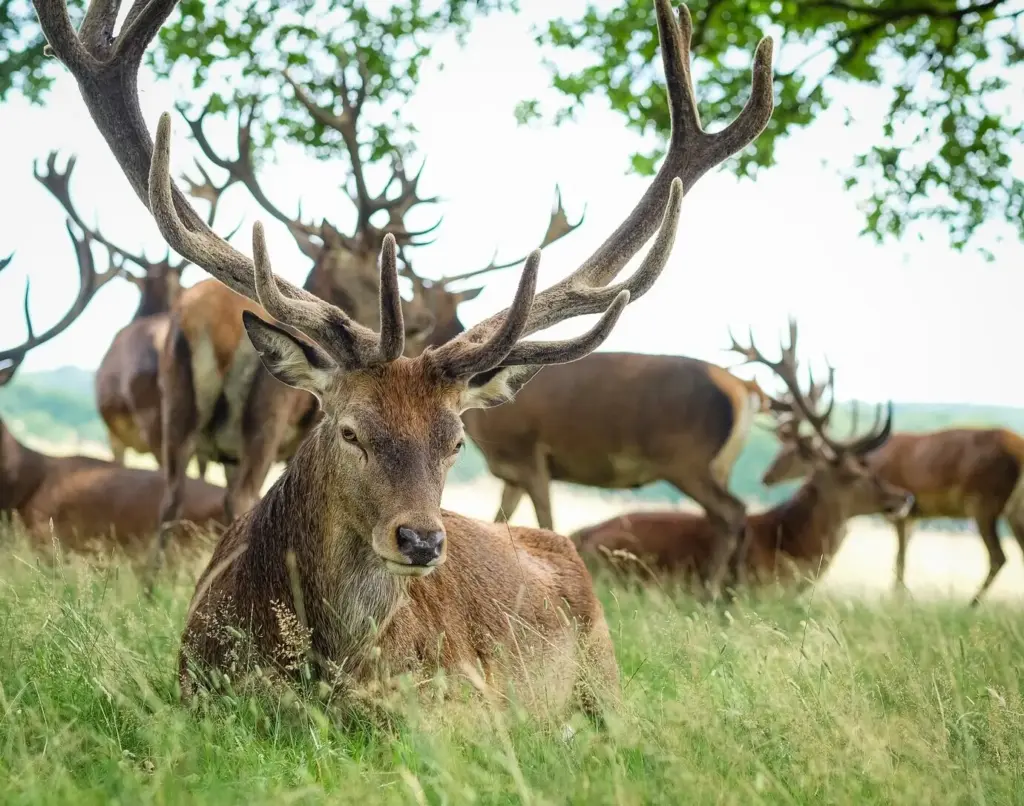
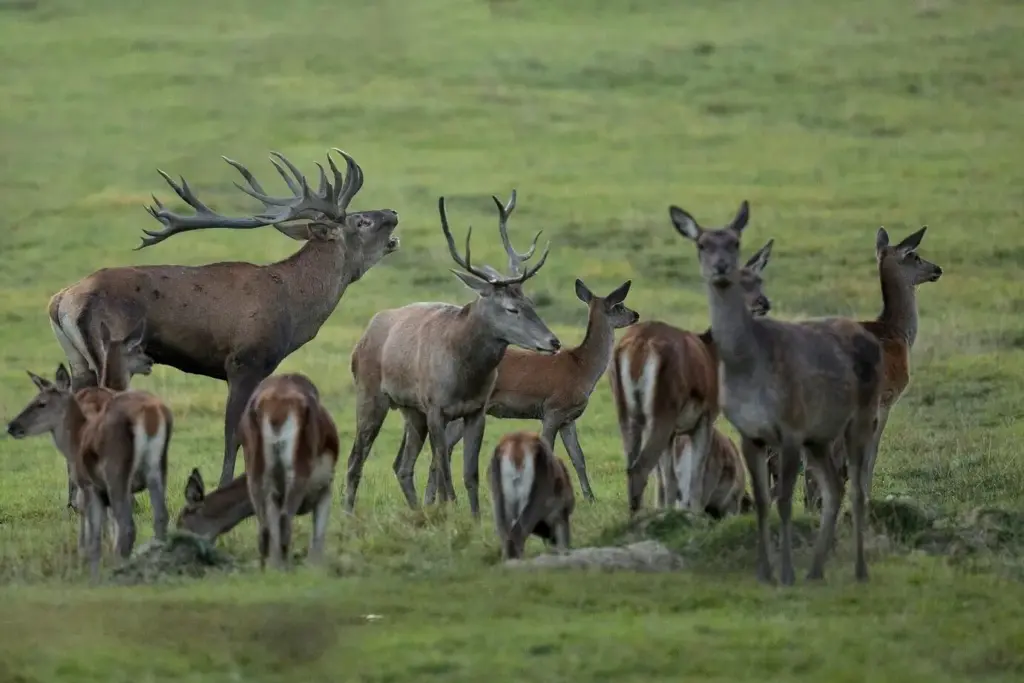
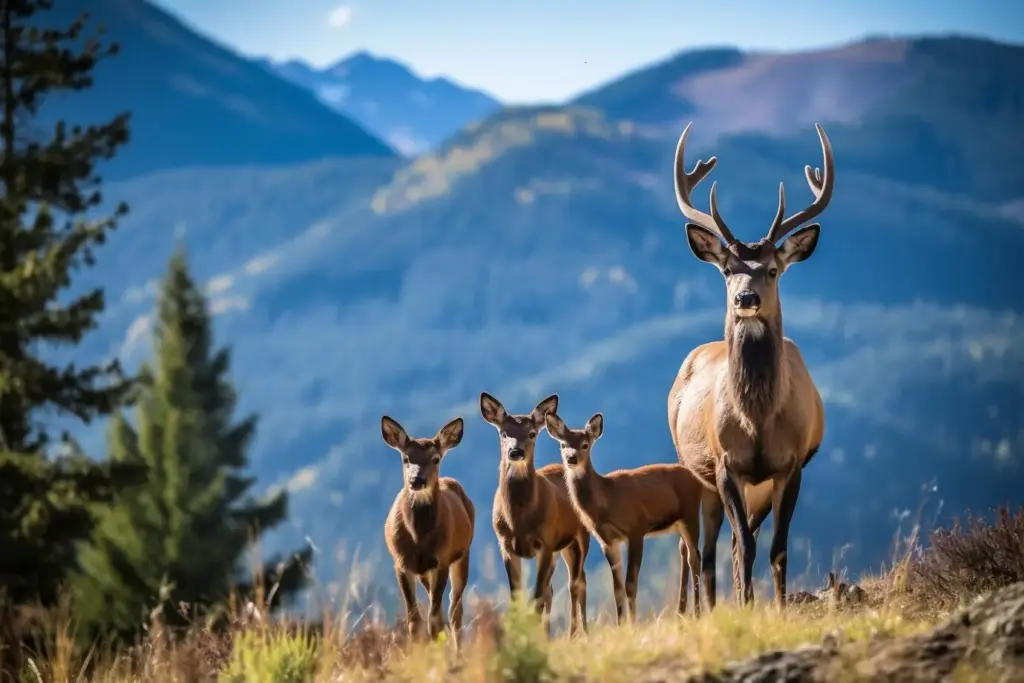
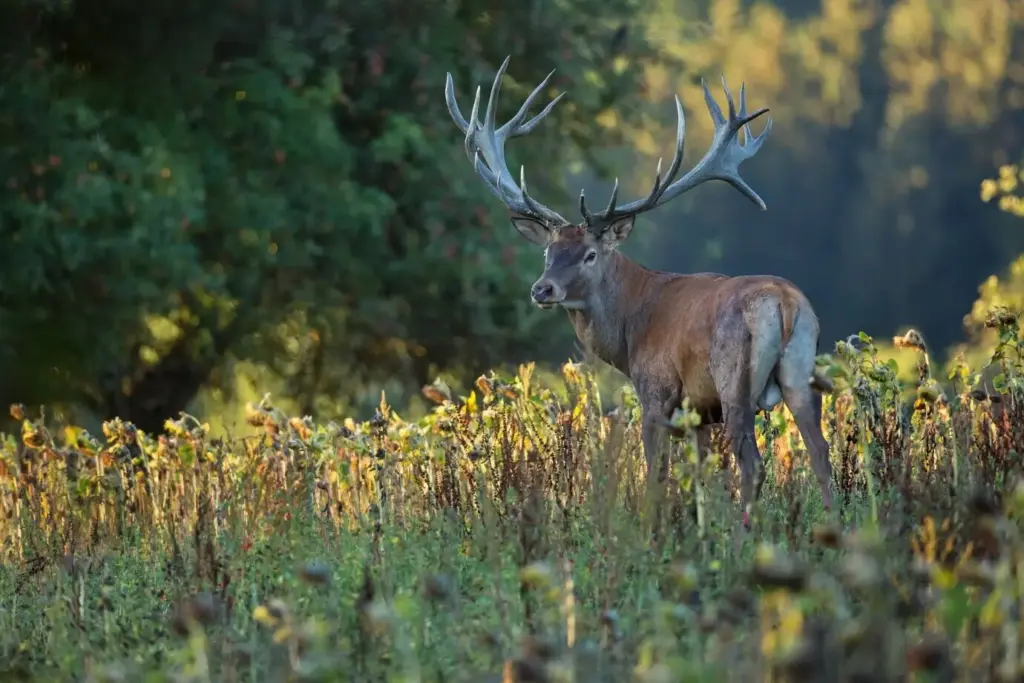
On crisp evenings in Rocky Mountain and Yellowstone, elk bugles spiral up, crash down, and carry astonishing distances across meadows. Bulls gather harems, advertise stamina, and challenge rivals; the sound vibrates ribs as much as ears. In Denali, moose contribute deep grunts and antler-thrash accents. As leaves fall and insects fade, these low, urgent calls dominate, mirroring shorter days and the urgent countdown to winter scarcity.

Rhythms of Time and Weather

Dawn, Day, Dusk, and Night

At dawn, territorial expression peaks as competing songbirds compress urgent announcements into narrow minutes of acoustic prime time. Dusk reawakens edge habitats, drawing coyotes to harmonize with settling thrushes. Full darkness amplifies owls and poorwills, while bats whisper ultrasonically above, revealed by detectors. Learning these temporal niches transforms chance encounters into predictable patterns, guiding you toward likely voices at just the right moment.

Rain, Wind, and Barometric Drama

At dawn, territorial expression peaks as competing songbirds compress urgent announcements into narrow minutes of acoustic prime time. Dusk reawakens edge habitats, drawing coyotes to harmonize with settling thrushes. Full darkness amplifies owls and poorwills, while bats whisper ultrasonically above, revealed by detectors. Learning these temporal niches transforms chance encounters into predictable patterns, guiding you toward likely voices at just the right moment.

Moonlight, Temperature, and Daylength

At dawn, territorial expression peaks as competing songbirds compress urgent announcements into narrow minutes of acoustic prime time. Dusk reawakens edge habitats, drawing coyotes to harmonize with settling thrushes. Full darkness amplifies owls and poorwills, while bats whisper ultrasonically above, revealed by detectors. Learning these temporal niches transforms chance encounters into predictable patterns, guiding you toward likely voices at just the right moment.

Voices of Signature Species

Birds: Thrushes, Warblers, and Owls

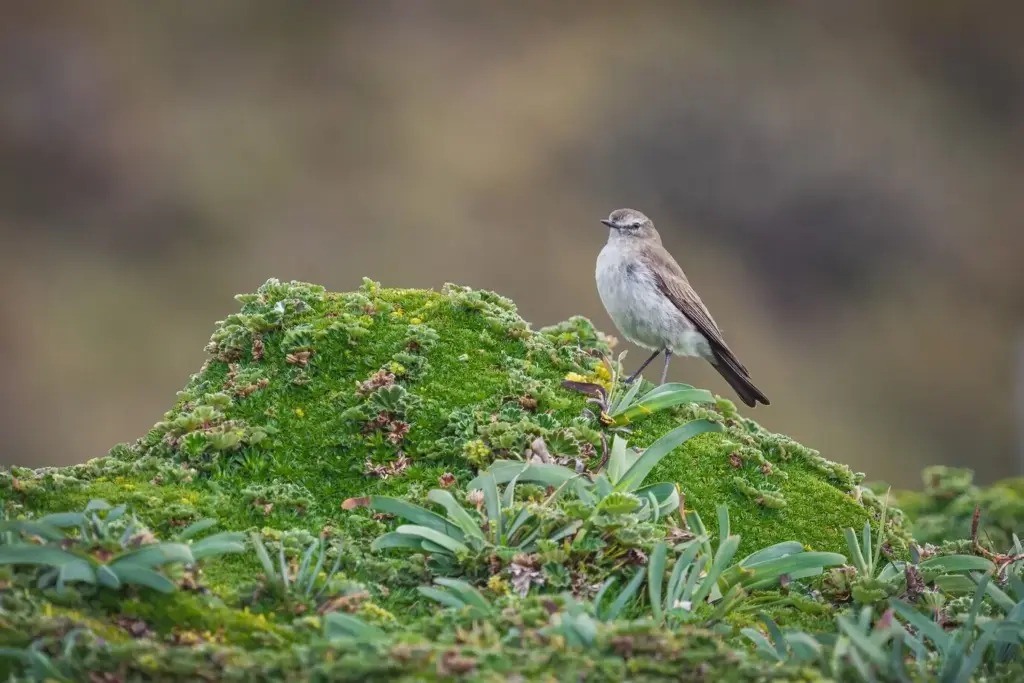
Hermit thrushes weave flute-like, overtone-rich phrases in Yosemite’s high country and Acadia’s spruce-fir edges, while wood thrushes bell in Great Smoky Mountains’ coves. Warblers stitch color into sound—Black-throated Green, Blackburnian, and Common Yellowthroat—each carrying unmistakable cadence. After dusk, great horned and barred owls exchange resonant conversations, announcing territory lines and pair bonds that persist through winter’s quiet months when most other voices fade.

Mammals: Wolves, Coyotes, and Elk

In Yellowstone, wolf howls braid distance, terrain, and family structure into one spine-tingling signal, relaying position and strengthening bonds. Coyotes answer with yips and group choruses, especially at edges where habitat shifts. Autumn’s elk bugle layers harmonics that pierce wind and brush, reaching cows and rivals alike. Listening carefully reveals spacing, dominance, and mood, transforming dramatic scenes into understandable dialogue among powerful, social herds.

Amphibians and Insects: Frogs, Toads, and Cicadas

Spring peepers turn Shenandoah’s roadside wetlands into glittering soundscapes, while pig frogs boom like distant engines in Everglades sloughs. American toads trill with steadfast stamina after warm rains. As summer advances, annual cicadas and late-season katydids saturate evenings with buzzing curtains that redefine distance cues. These pulses follow temperature and moisture, making calendars you can hear, guiding night walks and pinpointing ephemeral pools before your eyes adjust.

Field Craft for Thoughtful Listening

Hearing more begins with moving slower, carrying less, and noticing subtle edges where habitats meet. Simple, respectful practices reveal layers hidden beneath wind and footfall. A small notebook, reliable headlamp, and quiet clothing carry you far, while patient pauses yield surprises. Add optional recording tools to extend your reach back home, turning fleeting field encounters into study sessions that sharpen recognition and deepen appreciation.
A lightweight directional microphone with a furry windscreen, closed-back headphones, and a pocket recorder handle most park conditions. Log time, temperature, and location with each clip, and face away from wind to protect high frequencies. Stay on trails, let natural silences settle, and revisit the same spots across seasons. Comparing consistent vantage points helps isolate genuine cycles from one-off accidents of weather or chance.
Spectrograms plot time against frequency, brightness reflecting loudness. Trills appear as tight ladders; whistles glide in clean lines; frog pulses stamp rhythmic bars. Pair images with notes describing habitat, behavior, and crowding of voices. Contribute observations to platforms like eBird and FrogWatch USA, and organize clips by date to visualize annual arcs. Patterns emerge quickly, transforming abstract charts into vivid portraits of living places.
Respectful listening keeps animals safe and behaviors natural. Avoid playback in sensitive seasons, maintain generous distance, and yield the path when agitated postures appear. Keep groups small, voices soft, and headlamps angled low. Teach kids to celebrate quiet as part of adventure. Your restraint preserves authentic behavior, enabling meaningful recordings and trustworthy notes that support conservation, science, and the next visitor’s chance at wonder.

Park-to-Park Contrasts

Each landscape reshapes how sound moves and who speaks. Geothermal valleys add hissing percussion beneath wolves in Yellowstone. Mangrove tunnels in Everglades amplify frogs and night herons. Granite coasts in Acadia scatter surf and gulls into gilded mornings, while deserts like Joshua Tree expand coyote calls across starry air. Comparing parks sharpens listening instincts, revealing how geology, vegetation, and climate sculpt voices into distinct seasonal signatures.

Yellowstone and the High Country

Thermal pots pop and sigh under bugling elk and distant wolves, creating a layered mix where low calls ride far while high notes warp in rising heat. Spring adds sandhill cranes to wetlands, their bugles answering across cold dawn. Climb into subalpine bowls and the noise floor drops; thrushes step forward, and pika chirps punctuate talus, marking territories that reawaken as snowlines retreat.

Wetlands and Forest Edges: Everglades and Smokies

In Everglades, night blends pig frogs, cricket frogs, and anhingas settling into roosts, while alligators bellow in mating season, shaking air and water. Up in Great Smoky Mountains, lush coves cradle wood warblers and thrushes, and humid air carries notes around bends. Edges between cypress, sawgrass, and hardwoods—between hemlock ravines and open balds—concentrate voices, guiding you to stand where stories converge.

Coasts and Deserts: Acadia and Joshua Tree

Surf in Acadia roars across broad frequencies, masking distant birds and rewarding early, calmer windows when gulls, eiders, and songbirds thread between waves. At night, foghorns and owls trade places above quiet coves. In Joshua Tree, sparse vegetation and dry air let coyote yips travel astonishing distances. After rare monsoon rains, spadefoot toads erupt from the sand, turning washes into astonishing, short-lived choirs.

From Wonder to Stewardship

Listening cultivates care. Once you hear seasonal arcs and daily rhythms, you notice intrusions that fracture them. Aircraft, traffic, and careless crowds compress delicate exchanges that wildlife relies upon. Protecting quiet becomes an act of empathy and science. With small choices—routes, times, behaviors—you help restore acoustic habitat, preserving the space voices need to travel, connect, and carry the stories that make these parks feel alive.

Noise and Quiet: Protecting Natural Soundscapes
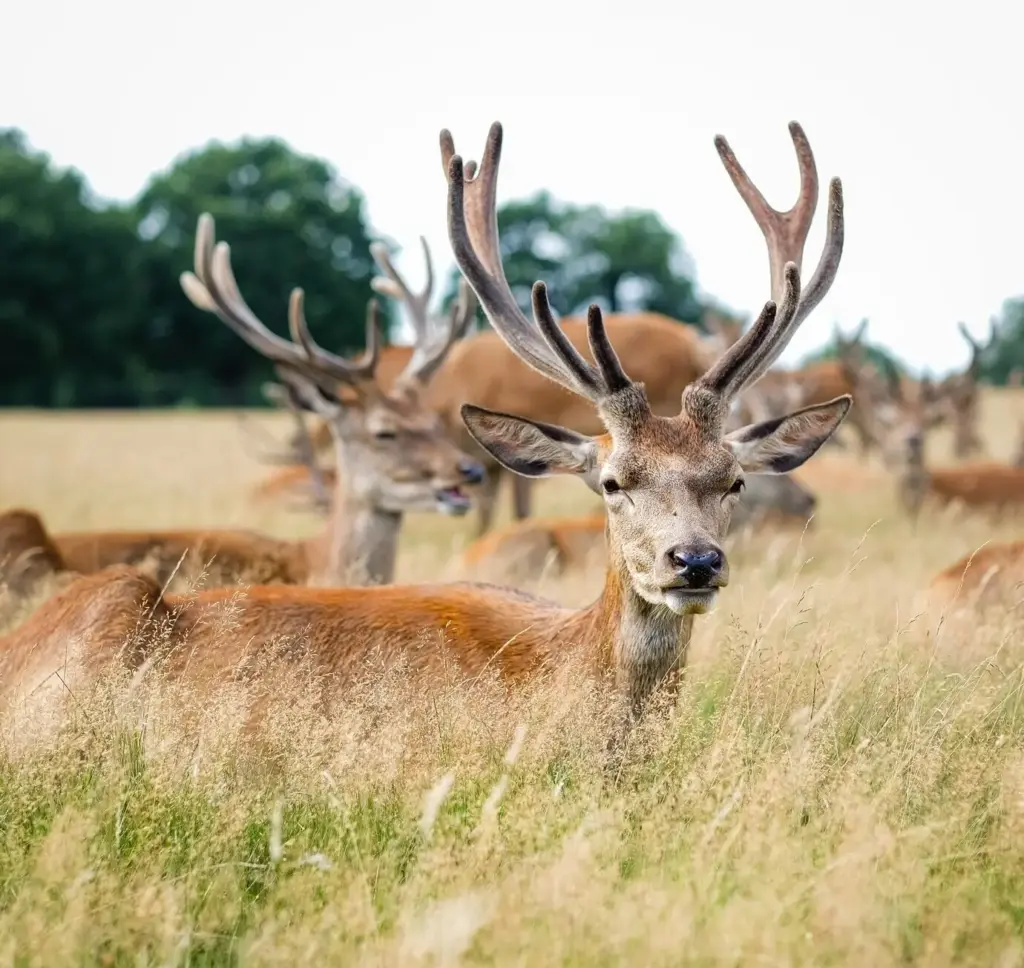
Choose trails and overlooks set back from busy corridors, visit at quieter hours, and practice low-impact group etiquette. Simple steps—silencing notifications, securing clanking gear, closing car doors gently—compound into meaningful relief. When we reduce overlapping chatter, subtle calls reappear, and newcomers notice more. Quiet is not absence; it is habitat. Treat it like water, light, and clean air—something shared, fragile, and worth defending together.

Science and Management: Acoustic Monitoring

Parks deploy autonomous recorders to sample soundscapes year-round, building archives that reveal presence, timing, and abundance without constant human disturbance. Analysts extract indices of diversity, detect rare species, and monitor noise creep. Results inform trail reroutes, seasonal closures, and outreach. Volunteers assist with labeling, turning community curiosity into tangible stewardship. Your careful recordings and notes extend this system, filling gaps across times and habitats.
Pilunoveveviziro
Privacy Overview

This website uses cookies so that we can provide you with the best user experience possible. Cookie information is stored in your browser and performs functions such as recognising you when you return to our website and helping our team to understand which sections of the website you find most interesting and useful.